
A practical solution to ambulance handover delays and corridor care
Across the UK, ambulance services and emergency departments are experiencing unprecedented pressure. Ambulances often queue outside hospitals waiting to hand patients over, tying up paramedics and vehicles that should be responding to new emergencies.
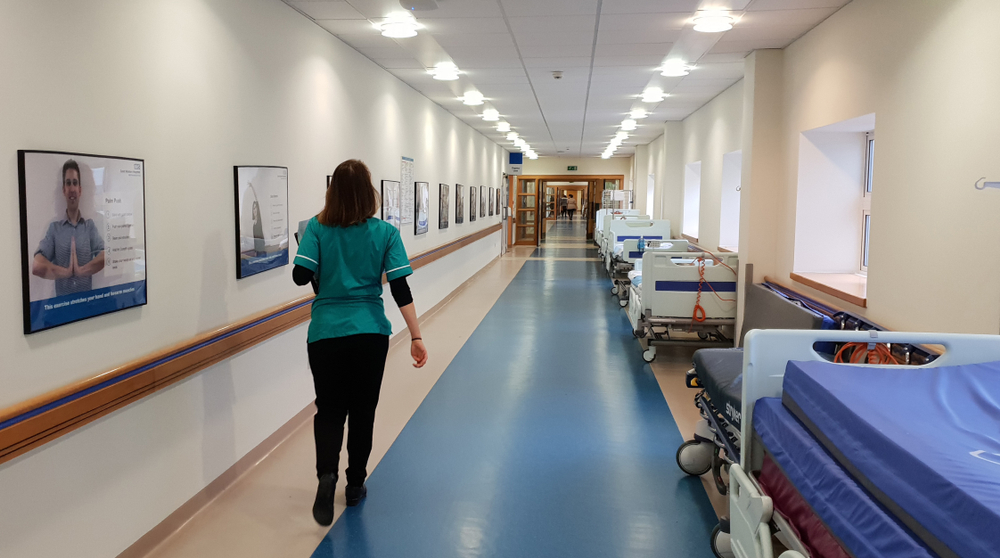
At the same time, overcrowded emergency departments are increasingly forced to treat patients in corridors or other inappropriate settings. ARCs provide a scalable, clinically governed alternative. By diverting suitable ambulance patients away from already congested emergency departments.



Ambulance Relief Centres enable faster ambulance turnaround, improved patient flow across urgent and emergency care pathways, and a reduction in unsafe environments such as corridor care.
ARCs work alongside NHS Trusts, ambulance services and Integrated Care Systems to strengthen system resilience while longer-term transformation of urgent care continues.

In 2024, around 800 working days, each day, have been lost to these delays, which are only counted when they exceed 30 minutes. In aggregate, it is the full-time equivalent of nearly 1,400 paramedics over the course of a year.
If you wait more than 12 hours in A&E you are more than twice as likely to die within 30 days of being discharged than if you are seen within two hours
One in five patients treated in corridors or waiting room
It was cold room with no natural light or access to toilet or shower facilities nearby. Temporary measure for no beds in the hospital. Patients felt undervalued and forgotten about.
I had to change an incontinent, frail patient with dementia on the corridor, by the vending machine. It was undignifying, felt so bad at the same time it was my duty to deliver care.
Spending a full 12-hour shift queuing outside hospital is soul-destroying. It’s tiring, it’s repetitive and it’s awful for patients.




While there are similarities in providing assessment and treatment outside traditional emergency department pathways, ARCs serve a distinct purpose.
Urgent Treatment Centres are primarily designed for walk-in or GP-referred patients and are not specifically configured around ambulance handover or conveyance flow.
SDEC services are hospital-based pathways typically accessed through internal referral or ED streaming, focused on avoiding admission for specific conditions.
ARCs are different because they are purpose-built around ambulance arrival and handover.They are designed to:
In short:
UTCs and SDEC are patient pathway alternatives within urgent care infrastructure.
ARCs are an operational intervention focused on ambulance flow and system pressure relief, integrated with, not duplicating, existing services.
An Ambulance Relief Centre is a clinically governed facility designed for ambulance-conveyed patients whose condition does not require the full resources of an emergency department. It enables immediate handover, assessment, diagnostics and treatment in one setting – allowing safe discharge or onward referral while freeing ambulances to return to response duties, quickly.
Ambulance handover delays and overcrowded emergency departments remain a persistent pressure point in urgent and emergency care. Many patients conveyed by ambulance require timely assessment and diagnostics, but not full ED admission. Without an alternative destination, they enter an already stretched A&E where corridor care is being normalised.
ARCs provide an additional, appropriate and safe setting to manage those patients and support system flow.
Locations are determined with each local NHS partners and aligned to demand. They may be:
The aim is accessibility for ambulance services and integration with existing escalation plans – not standalone isolation.
Staffing models are designed with patient safety and sustainability in mind and may draw from a combination of sources, including:
Importantly:
ARC is developed and led by a multidisciplinary team with experience and practical knowledge of helping the NHS. Our team’s skills include:
ARCs are informed by senior clinical input and operational expertise to ensure governance, safety, and pathway integration are central to the model.
This model is not about replacing NHS delivery, it’s about strengthening system resilience.
Using an independent delivery partner allows:
The intention is a true partnership – contributing increased capacity where and when the system needs it, while remaining accountable to NHS commissioners and clinical governance standards.
Typical patients include those with conditions such as:
Patients requiring resuscitation, major trauma care, or critical intervention continue to be conveyed directly to emergency departments.
Ambulance control centres, as well as on-scene paramedics, will validate and direct suitable patients to an ARC.
Ambulance call handlers will assess patients using agreed clinical criteria and protocols developed with local NHS partners. The decision to transfer to an ARC is clinically led depending on demand, A&E capacity and the patient’s needs.
Safety is foundational and supported by:
Patients can be transferred to emergency department if required.
Immediate handover reduces queuing and allows crews to return to operational duties more quickly, supporting response performance and resource availability
By diverting appropriate patients before arrival, ARCs help prevent avoidable congestion. This supports departments in focusing on higher-acuity patients and maintaining safer working environments.
No. ARCs are not a substitute for broader transformation across NHS estates, workforce, or social care. They provide a practical intervention that can deliver measurable impact while longer-term change progresses.
ARCs can operate:
Deployment is totally adaptable to local need.
Ambulance Relief Centres are delivered by an independent provider and funded through the NHS, typically via commissioning arrangements agreed with the local system. This means the service is publicly funded, with clear expectations around performance, governance and value for money.
The scale and cost of an ARC depend on local requirements. In some areas, ARC may operate from existing NHS estate, for example using under-utilised clinical space, UTCs, SDEC units or repurposed facilities. In other locations, a purpose-designed new facility may be appropriate where demand or geography requires it.
Before deployment, a full scoping exercise is undertaken with NHS partners to determine the most suitable model, location, staffing approach and infrastructure needs. This ensures that costs are transparent, proportionate and aligned to the level of pressure the ARC is intended to address.